
Sea TOI Toilet: From Ocean Waste to Sustainable Sanitation
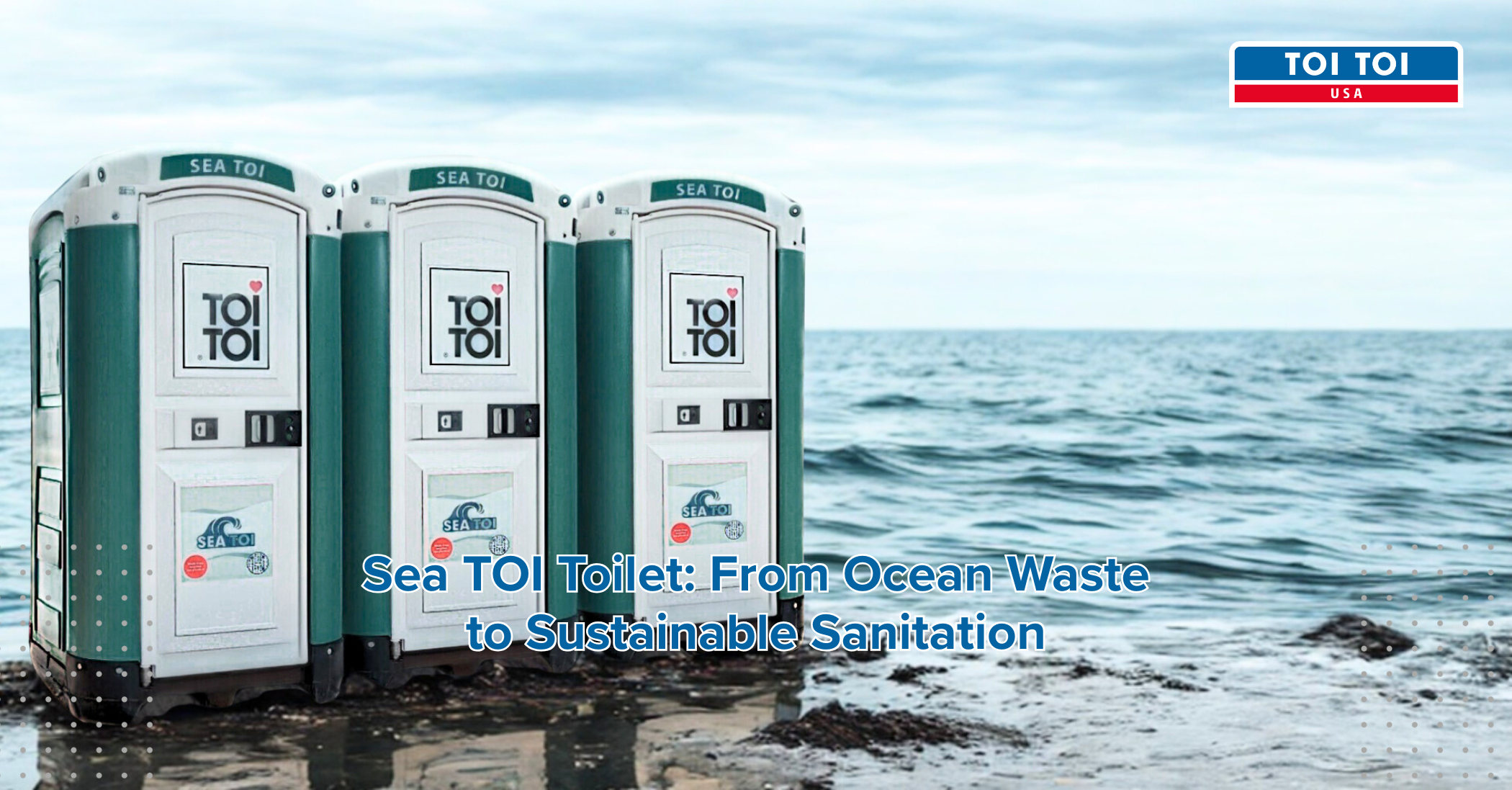
How Recycled Portable Toilets Are Shaping a Greener Future
Sustainable porta potties are no longer a niche idea—they are a necessity. As events, construction sites, and public spaces look for greener solutions, recycled mobile toilets offer a practical way to reduce environmental impact. By reusing materials and minimizing harmful chemicals, modern portable toilets can support sustainability goals without compromising on quality or hygiene.
Introducing Sea TOI Toilet – Made from Recycled Materials
The Sea TOI Toilet is designed as an eco-friendly choice for modern sanitation needs. Made from 50% recycled materials, with 30% sourced directly from reclaimed fishing nets, each unit helps reduce plastic waste in our oceans. This innovative approach turns discarded materials into durable, high-quality mobile toilets—proving that sustainability and functionality can go hand in hand.
Sustainability goes beyond materials. Sea TOI Toilets use only biodegradable chemicals in the production process, helping protect soil and water systems. With a closed 66-gallon wastewater tank, integrated double ventilation, and robust dimensions (47" x 47" x 91"), these recycled mobile toilets are built for reliability and ease of use. Choosing Sea TOI means making a positive environmental impact—one portable toilet at a time.
From Sea to Sustainability: The Life of a Sea TOI Toilet

1. Collecting fishing nets – preventing illegal disposal at sea
We take action before discarded fishing gear ends up in the ocean, helping to prevent its illegal disposal. To achieve this, we collect worn-out nets and ropes directly at ports.
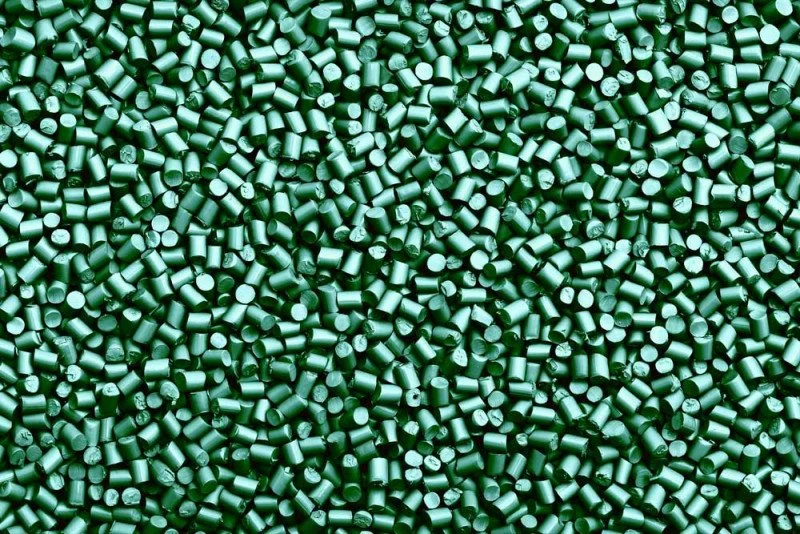
2. Upcycling – turning waste into raw materials
We generate raw materials from waste by processing the collected fishing nets into granulate. This reduces the need for new raw materials, relieves pressure on the environment, and gives discarded fishing gear new value.
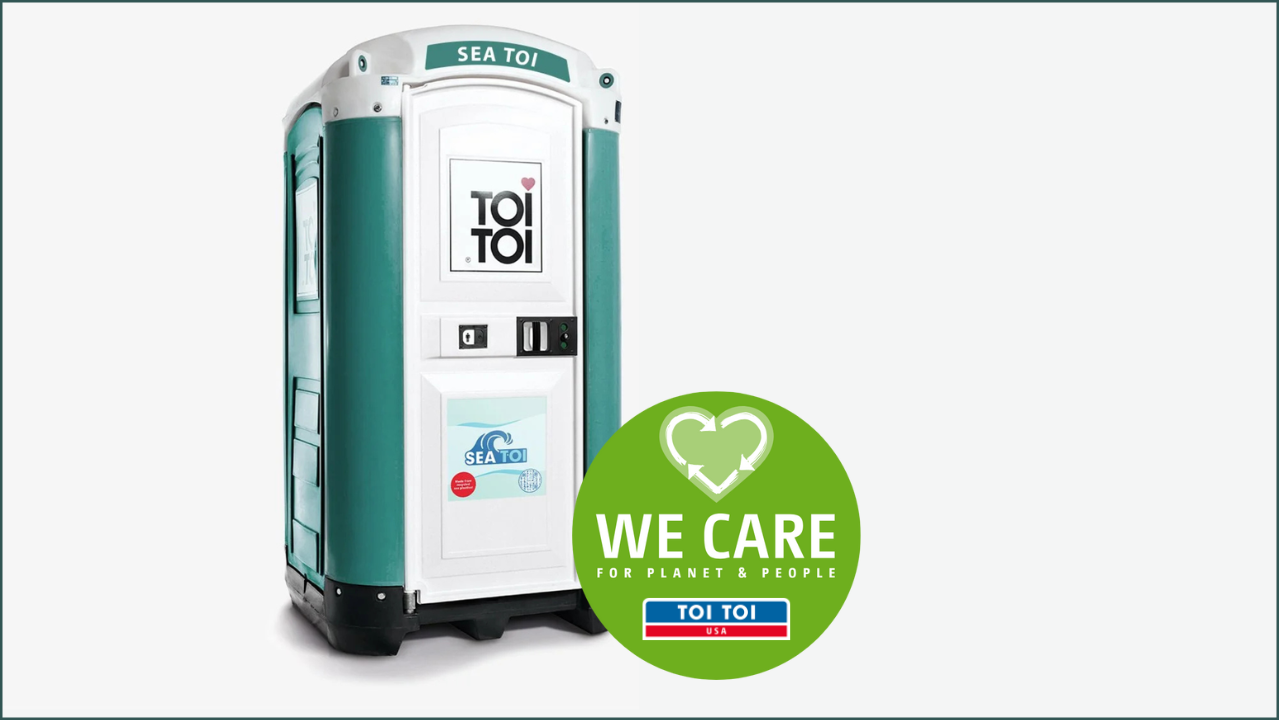
3. From old to new – the Sea TOI toilet cabin
At our production facility, we process the granulate into new, ocean-green toilet cabins. These consist of around 50% recycled material, including at least 30% recycled fishing gear.